Story thread · 3 reports / 3 sources
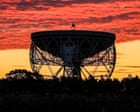
World-class Jodrell Bank is under threat and UK risks a physics brain drain
theguardian.com · 14d
How the coverage leans
Across 3 sources · syndicated copies counted once
Funding crisis could lead to an exodus that would be a blow for British science and national growth On a chilly day in December 1945, Bernard Lovell, a physicist at the University of Manchester, struck out for the Cheshire countryside to study cosmic rays, the streams of high-energy particles that crisscross the universe. Peering at the signals from his army surplus radar, he made an unexpected discovery: radio reflections from the ionised trails of shooting stars. The work marked the birth of radio astronomy at Jodrell Bank. A year later, engineers at the site mounted a radar on the base of a searchlight, providing sweeping access to speeding meteors. When Sputnik launched in 1957, they had just completed the Lovell telescope, the largest radio telescope in the world, the only one capable of tracking the Soviet satellite. Continue reading...
First report: UK's iconic Jodrell Bank telescope faces axe in science cuts — bbc.co.uk, 15d
The coverage
The conversation · 0
Sign in to join the conversation.
No comments yet — start the thread.